Kitchen Secrets with Our Cuban Chef – Batidos Cubanos
A batido is fruit, milk and ice beaten together until it is thick enough to hold a spoon upright for a second and still loose enough to pour. It is not a smoothie and it is not an American milkshake. No ice cream, no syrup, nothing piled on top. The sweetness comes from ripe fruit and a short pour of condensed milk, and the texture comes from ice broken down so fine it disappears into the milk.
Three flavours carry most of the tradition. Mamey is the one people plan their morning around, deep salmon and almost custardy. Trigo is made with wheat and tastes like the last inch of milk in a cereal bowl, only colder and better. Fruta bomba is the light one, the one you want at two in the afternoon in August with three hours of work still ahead of you.
All three take one blender and about ten minutes. The difficulty is never technique. It is ratio, temperature, and knowing the exact moment to stop the motor.
How the batido became a Cuban habit
Beaten fruit drinks existed in Cuba long before anyone owned a blender. Fruit was mashed through a sieve, thinned with milk, sweetened and drunk fast before it separated. What changed everything was the electric blender reaching home kitchens and cafeterias through the middle of the last century. Ice could suddenly be broken down to nothing in under a minute, and a drink that used to be work became something a counter could hand over in the time it took to make change.
Mamey is the flavour that travelled furthest. The fruit is native to southern Mexico and Central America, and it grows well in Cuba and in South Florida, which is why markets here carry it fresh in season and frozen the rest of the year. Rough brown skin, one glossy seed about the size of a chicken egg, and dense salmon-red flesh that lands somewhere between sweet potato, pumpkin and almond. It does not taste like anything else, which is exactly why people order it.
Fruta bomba is papaya, and the name is not a translation problem. In Cuba the word papaya carries a crude second meaning, so the fruit goes by fruta bomba and everyone leaves it there. The wheat batido has less of a paper trail than the other two, but the method is the same on both sides of the water: puffed wheat softened in cold milk, blended with ice and condensed milk, finished with cinnamon. It sits between a drink and breakfast, and plenty of people treat it as both.
Ingredients
- 1 cup (240 ml) whole milk, straight from the fridge
- 3 tablespoons sweetened condensed milk, plus more to taste
- 1 1/2 cups ice cubes
- 1/4 teaspoon vanilla extract
- A pinch of fine salt
- Mamey version: 1 cup (about 225 g) ripe mamey flesh, chilled, or thawed frozen mamey pulp
- Trigo version: 1 cup unsweetened puffed wheat cereal, plus 1 extra tablespoon condensed milk
- Trigo version: 1/4 teaspoon ground cinnamon, plus a little more for the top
- Fruta bomba version: 1 1/2 cups (about 200 g) ripe papaya, peeled, seeded and cut into chunks, chilled
- Fruta bomba version: 1 teaspoon lime juice and 1 tablespoon granulated sugar
How to make batidos cubanos
- Chill what you can. Milk from the fridge, fruit cold, and if there is room, the blender jar in the freezer for ten minutes. A warm jar melts the ice before the blades break it down, and you end up with something thin and grey instead of thick and pale.
- Prepare the fruit for the version you are making. For mamey, split the fruit lengthwise, lift out the single seed and scoop the flesh away from the skin, leaving the fibrous layer that sits just under the peel behind. For fruta bomba, peel it, scrape out the black seeds and any white pith, then cut the flesh into rough chunks. For trigo, put the puffed wheat in a bowl, pour the cold milk over it and leave it 10 minutes until the pieces collapse and go soft.
- Load the jar in order: milk first, then condensed milk, vanilla and salt, then the fruit, then the ice on top. For trigo the soaked wheat goes in with its milk, and there is no second pour of milk. Liquid at the bottom lets the blades catch, and ice on top pushes everything down instead of trapping air under the blade.
- Blend on low for 10 seconds to break the ice, then go straight to high for 30 to 40 seconds. Listen rather than watch. The rattle of loose cubes flattens into a steady hum once the ice is gone, and that hum is your signal.
- Check the body. Lift the lid and pour a spoonful back in. It should fall in a thick ribbon that sits on the surface for a second before sinking. Too thick, add milk a tablespoon at a time. Too loose, add three or four ice cubes and blend 10 seconds more.
- Now sweeten, not before. Taste, then add condensed milk one tablespoon at a time and pulse twice to fold it in. Ripe mamey usually needs nothing more. Fruta bomba takes the lime juice and the sugar to lift it. Trigo takes the extra spoon of condensed milk and the cinnamon, pulsed for three seconds at the end so the flecks stay visible.
- Strain if the fruit fought you. Underripe mamey and papaya cut close to the skin both leave threads behind, and a coarse sieve with the back of a ladle clears them in under a minute. Leave trigo alone. The fine wheat grit is the point of that one.
- Pour into tall glasses and serve inside two minutes. A batido starts separating the moment it stops moving, and five minutes on the counter is the difference between the drink you wanted and a sweet glass of milk.
Chef’s notes
- Underripe mamey is the most common failure and the blender cannot fix it. A ripe one gives under thumb pressure the way an avocado does, and if you scratch the skin near the stem the flesh underneath shows salmon rather than green or cream. A hard mamey tastes chalky and smells of nothing.
- Over-blending is the second failure. Past about a minute the friction of the blades melts ice faster than it breaks it, and the drink will have a watery layer at the bottom of the glass before you sit down. Stop at the hum.
- Condensed milk added at the start hides the fruit. You lose the mamey perfume and the papaya edge, and all three versions start tasting like the same sweet beige drink. Sweeten last, taste between additions.
- Papaya turns faintly bitter as it sits in milk, so fruta bomba is the one batido you never make ahead. Mamey and trigo hold about ten minutes in the fridge if you stir them hard before pouring. The papaya one you drink standing up.
What a batido belongs next to
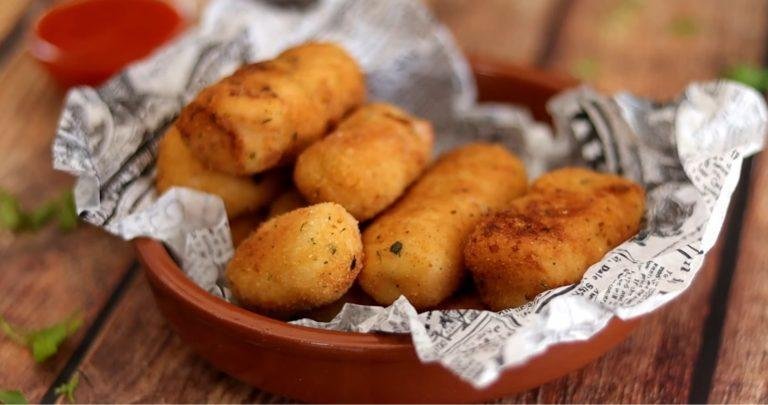
In a Cuban cafeteria a batido is not dessert. It is part of the meal, or it is the whole of breakfast. Trigo goes in the morning with a couple of pastelitos, and between the two of them you are set until lunch. Mamey works after a plate of fried food, where the cold and the density cut straight through the salt. Fruta bomba is the one to order alongside anything from the fryer, because it is light enough to reset your mouth between bites.
Keep coffee out of it, at least at the same time. A batido carries enough sugar on its own, and a colada on top of one flattens both. Drink the batido with the food and save the coffee for after. Serve it in a thick glass if you have one, because thin glass warms in your hand faster than you would think.
If you would rather not clean the blender
Our counter opens at five in the morning on weekdays, so the cold side of it is running before most of Tampa is awake. You can look through the full menu and order for pickup, and if you want something thick and cold without washing a blender, the milkshake is blended to order. Ask at the counter what fruit is in that day.