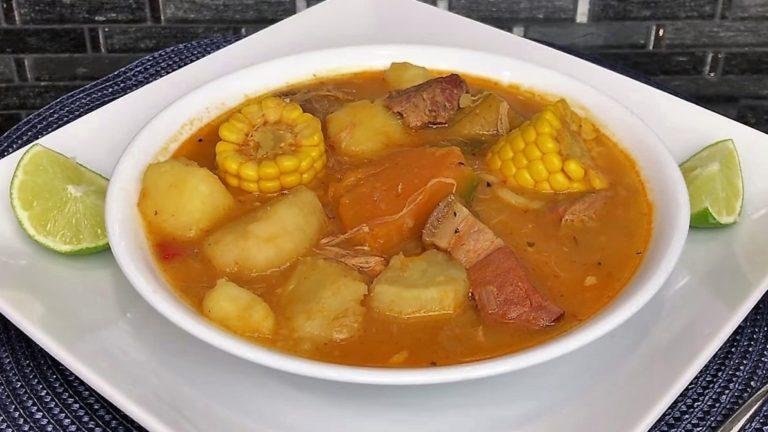
Cuban food and Mexican food are not the same thing
People put Cuban and Mexican food on the same shelf because both are Latin American, both were shaped by Spanish colonization, and both use pork, beans and rice. Then they order Cuban food expecting heat and tortillas and get neither. The two cuisines are genuinely different, and the differences are consistent enough to be worth laying out.
Chiles on one side, garlic and citrus on the other
Mexican cooking is built on capsicum. Chiles were domesticated in Mesoamerica thousands of years before contact, and Mexican cooks use dozens of them, fresh and dried, as separate ingredients with separate jobs. Jalapeño dried and smoked becomes chipotle. Poblano dried becomes ancho. Chilaca dried becomes pasilla. Guajillo, árbol, mulato, cascabel, and in Yucatán the habanero. Dried chiles get toasted on a comal, soaked, and ground into the adobos and moles that give Mexican cooking its depth. Heat is part of it, but so is bitterness, smoke, fruit and body.
Cuban cooking has almost none of that. The base is a sofrito of onion, garlic and green pepper, seasoned with cumin, oregano and bay leaf, all of it inherited from Spain, which got the cumin from the Arab world. Cuba does grow a chile that looks alarming: the ají cachucha, a wrinkled little pepper of the same species as the habanero. It carries almost no heat. Cubans use it for its perfume and leave the burn out on purpose. Hot sauce is not standard equipment on a Cuban table.
What Cuba has instead is sour orange. Naranja agria is bitter and floral, closer to a Seville orange than to anything sweet, and it is the acid in mojo: garlic crushed with salt in a wooden pilón, the juice poured in, hot oil poured over the top so the garlic sizzles. That is the taste of Cuban roast pork, and it is the single flavor that most separates the two cuisines. Mexico reaches for lime. Cuba reaches for sour orange and a great deal of garlic.
Corn against rice
Corn is not just an ingredient in Mexico, it is the structure of the meal. Nixtamalization — cooking dried corn in an alkaline solution of lime, then washing and grinding it — is at least three thousand years old in Mesoamerica, and it is what makes masa possible. Masa becomes tortillas, tamales, sopes, gorditas, atole. The tortilla is the plate, the spoon and the napkin.
Cuba has corn, but it is a side road. Tamal en cazuela, tamales in the husk and harina with crab all exist and are well loved. The grain that runs the meal is rice. Rice reached Spain through the Arab world and reached Cuba with the Spanish, and Cuban rice technique is Iberian in lineage: long grain, cooked dry, the grains separate, served in a mound and expected at almost every meal. Arroz con pollo, arroz imperial, and the plain white rice that anchors the plate all descend from that.
Beans split the same way. Mexico leans on pinto and black beans, often cooked simple and then mashed and fried in fat. Cuba leans on a soupy potaje of black or red beans, thick with sofrito and a bay leaf, ladled over rice, or on the two cooked together as congrí and moros y cristianos.
The bread question
Cuba eats wheat bread with nearly everything. Coffee with buttered bread in the morning. Bread beside a bowl of stew. Bread pressed on a plancha into a sandwich. Cuban bread is a long, thin loaf, lean and made with lard, with a thin crust that shatters rather than chews, and in Tampa it is still baked with a wet palmetto frond laid down the middle so the top splits open in the oven.
Mexico has excellent bread too — the bolillo, the telera, an entire panadería tradition — but bread does not do the work bread does in Cuba, because the tortilla already does it.
Side by side
- Heat: Mexican cooking uses chiles across the whole range from mild to fierce. Cuban cooking has essentially no chile heat.
- Aromatics: toasted dried chiles, tomatillo, epazote, cilantro and lime, against garlic, onion, green pepper, cumin, oregano, bay leaf and sour orange.
- Main starch: nixtamalized corn against long-grain white rice.
- Bread: the tortilla does the work of bread in Mexico. Cuba eats wheat bread daily.
- Beans: pinto and black, often mashed and fried, against black or red beans in a soupy potaje or cooked into the rice.
- Cheese: a long catalogue of fresh and aged cheeses in Mexico. Very little cheese in traditional Cuban cooking outside sandwiches.
- Roots: Mexico uses potato and some cassava. Cuba runs on viandas: yuca, malanga, boniato, ñame and plantain, boiled or fried.
- Sauce at the table: salsa is a fixture in Mexico. In Cuba the sauce is cooked into the dish or poured over as mojo before it leaves the kitchen.
- Cooking surface: the comal for tortillas, the plancha for pressed sandwiches.
What a Cuban plate looks like
Picture it divided into three. The protein takes the center: roast pork pulled into pieces with onion and mojo, breaded steak, a chicken quarter, or fried fish. White rice takes one section, and beans go beside it or over it. Fried plantain takes the third, either tostones, green plantain smashed and fried twice until crisp, or maduros, ripe plantain fried soft and sweet at the edges. Boiled yuca under garlic mojo often replaces the rice. A small salad of lettuce, tomato, cucumber and avocado sits to the side, dressed with oil, vinegar and salt, and nothing else.
There is no basket of tortillas, no bowl of salsa, no lime wedges, no raw onion and cilantro to build with. The plate arrives finished. Whatever adjusting happens, the cook did it.
Where they actually meet
They share more than the contrast suggests. Both run on pork and lard, because the Spanish brought the pig everywhere they went. Both fry. Both use cumin, oregano and bay from the Iberian pantry. Both have serious street food and a strong tradition of eating standing up.
And southern Mexico shares more with Cuba than central Mexico does. In Veracruz, Tabasco and Chiapas, plátano macho is fried, mashed and stuffed much as it is in the Caribbean, and the Gulf coast cooking of Veracruz carries the same Spanish olive, caper and tomato line found in Cuban dishes. The strongest link is in Yucatán, where cochinita pibil is marinated in achiote and sour orange. Take away the achiote and that marinade is a Cuban mojo. Sour orange arrived in both places by the same Spanish route, and both peninsular kitchens decided it was the right acid for pork.
The honest summary is that Mexico built on an Indigenous foundation that was already sophisticated, with corn and chile at the center, and layered Spanish ingredients onto it. Cuba’s Indigenous population was destroyed early, and the cooking that emerged was Spanish and African, worked out on an island where sugar, pork, rice and root vegetables were what there was. Same empire, different starting material.
If you want to see the Cuban side of the comparison in front of you, come by Kiki’s at 5555 S 78th St in Tampa. Start with the roast pork and a plate of black beans and rice, and read the rest of the menu with the differences in mind.