Kitchen Secrets with Our Cuban Chef – Pan con Lechon
Pan con lechón is roast pork on Cuban bread. Onions, mojo, and that is the whole list. No cheese, no ham, no pickles.
People confuse it with the Cuban sandwich because both live on the same loaf, but they are built differently. A Cuban is layered and flattened until it holds together like a plank. Pan con lechón stays loose and wet. The mojo soaks into the crumb and the onion stays raw and sharp on top. You eat it leaning forward, over the paper.
At home it takes one long afternoon and almost no technique. Marinate a shoulder overnight, roast it low until the meat gives up, then chop it warm and pile it into bread. Everything that makes the sandwich good happens in the roasting pan, hours before anyone cuts a loaf.
Sunday’s pig, Monday’s sandwich
Lechón asado was never sandwich food to begin with. In Cuba a whole pig goes over coals for Nochebuena, for any occasion big enough to justify the work. It cooks in the open, turned by hand, and the meat comes off in pieces, not slices. There is always pork left the next morning, and that is the sandwich: cold roast pork warmed in its own fat, chopped with whatever crackling survived the night, packed into bread with raw onion and a spoonful of the garlic and sour orange it was marinated in. It became counter food because the hard part was already done.
The bread matters as much as the pork. Cuban bread is made with lard, which is why the crust shatters instead of chewing and the inside stays soft enough to drink up juice. In Tampa it has been baked in Ybor City since the cigar factories ran the neighbourhood, with a damp palmetto frond laid along the top so the loaf splits down its length. A day-old loaf is better here: it takes the pan juices without falling apart.
Then there is the mojo, built on naranja agria, the sour orange, which is not native to the Caribbean; it came across with the Spanish and settled into yards all over the island. The juice is sharper and more floral than an ordinary orange, and it cuts through pork fat the way plain citrus cannot. Garlic, oregano, salt and warm oil do the rest. If you cannot find sour orange, two parts orange juice to one part lime gets you close.
Ingredients
- 4 lb (1.8 kg) bone-in pork shoulder, skin on if you can get it
- 12 garlic cloves, peeled
- 1 tablespoon coarse salt, plus more for the skin, the onions and the chopped meat
- 2 teaspoons dried oregano
- 1 teaspoon ground cumin
- 1 teaspoon black pepper
- 1 cup sour orange juice (naranja agria), or 2/3 cup orange juice plus 1/3 cup lime juice
- 1/2 cup olive oil, for the marinade
- 1/2 cup water, for the roasting pan
- 2 large white onions
- 1/2 cup olive oil, for the finishing mojo
- 8 garlic cloves, thinly sliced, for the finishing mojo
- 1/2 cup sour orange juice, for the finishing mojo
- 1 teaspoon dried oregano, for the finishing mojo
- Cuban bread, enough for six lengths of about 8 inches
- 2 tablespoons butter, softened
How to make pan con lechón
- Mash the 12 garlic cloves with the tablespoon of salt in a mortar to a rough paste, about 5 minutes. Stir in the oregano, cumin and black pepper, then the 1 cup of sour orange juice, then whisk in the 1/2 cup of olive oil. Slice one of the white onions into thick rings.
- Score the fat cap in a crosshatch about 1/4 inch deep, stopping before you reach the meat, then stab the shoulder 15 to 20 times with a knife tip so the marinade gets inside. Put the pork in a deep dish, pour the marinade over it, tuck the onion rings around it, cover, and refrigerate 12 to 24 hours, turning it once.
- Take the pork out an hour before it goes in the oven. Heat the oven to 300F (150C). Set the shoulder fat side up in a roasting pan with the marinade and onions, add the 1/2 cup of water, and cover the pan tightly with foil.
- Roast for 4 hours, until a fork twists in the meat with no resistance and the bone moves when you wiggle it. A thermometer in the thickest part should show about 195F (90C).
- Pull off the foil and lift the shoulder onto a board. Blot the skin and fat cap dry with paper towel and rub them with salt; four hours under foil leaves the skin soaked, and wet skin steams instead of crackling. Set the pork back in the pan, raise the oven to 425F (220C) and roast another 25 to 35 minutes, until the skin blisters and the top edges go dark.
- Move the pork to a board and rest it 30 minutes. Pour the pan juices into a jug, let them settle for 10 minutes, then skim off the clear fat and keep the dark juice underneath. Chop the softened onions from the pan and stir them back into that juice.
- Make the finishing mojo. Warm the 1/2 cup olive oil with the sliced garlic in a small pan over low heat for 3 to 4 minutes, until the garlic just turns pale gold and smells sweet. Take it off the heat, wait 30 seconds, then add the 1/2 cup sour orange juice and the oregano. It will spit. Season with salt and let it sit 10 minutes.
- Slice the second onion as thin as you can, salt it, leave it 10 minutes, then rinse it under cold water and squeeze it dry in a towel. Chop the rested pork with a heavy knife, cutting through lean, fat and crackling together, moisten it with a few spoonfuls of the reserved juice, then taste and salt it again; most of the marinade salt stayed in the pan.
- Split the bread lengthwise without cutting all the way through, butter the cut sides, and warm them face down on a griddle over medium heat for 1 to 2 minutes, until warm and barely coloured. Pile in the chopped pork, spoon mojo over it, top with the raw onion, close the sandwich, cut it on the diagonal and serve straight away.
Chef’s notes
- Chop the pork, do not shred it. Pulled pork turns to floss and dries out within minutes on the bread. A heavy knife cutting through lean, fat and crackling gives you all three textures in every bite.
- Dry pork is a pan-juice problem. Most people pour the pan liquid away with the fat. Skim the fat, keep the juice, and add it to the chopped meat just before it goes into the loaf. Wet the pork too early and the bread is soggy before it reaches the table.
- Burnt garlic ruins mojo. The oil should be warm, not shimmering, and the garlic should stop at pale gold. Once it browns it turns bitter and the sour orange will not cover it. Tip it out and start again; it costs four minutes.
- Warm the bread, do not flatten it. The loaf goes face down on the griddle for a minute and no longer. Squash it in a press and the juice you worked for goes out through the crust. Keep it tall and loose.
What goes alongside
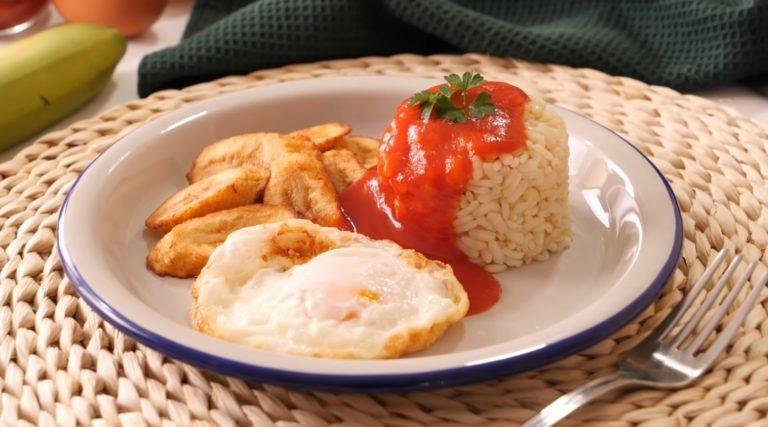
The sandwich is rich and acidic at once, so the plate does not need much. Fried yuca with more mojo is the natural partner. Sweet plantains add contrast; black beans and rice turn the whole thing into a full meal.
A small strong coffee after the last bite is standard. A colada shared around the table does the job for a group, and a cold beer does it for one. Late at night, when the sandwich tends to appear, the colada is the more honest choice.
Come get one made for you
We marinate our pork in garlic and sour orange and roast it slowly at 5555 S 78th St. If you would rather not give up the afternoon, the roast pork sandwich is on the menu, and a whole roast pork shoulder will feed a family or a party if you want to chop it yourself. Look through the rest of the menu to order for pickup, or call us at (813) 450-2176 and we will have it wrapped and waiting.