Why Cuban Food Is Not Spicy, and Why Bland Is the Wrong Word
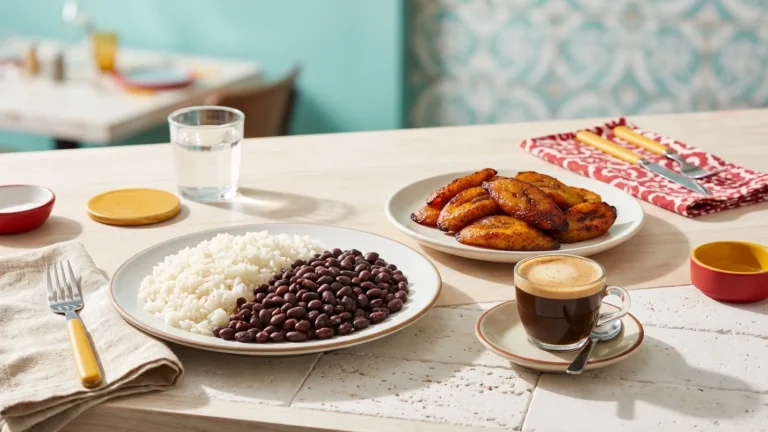
No. Cuban food is not spicy in the way most people mean when they ask. There is no chili heat in it. You can eat a full plate — roast pork, black beans, rice, plantains — and never once reach for your water. But people usually follow that answer with a second word, and the second word is bland. That one is wrong. Bland describes food that has not been seasoned. Cuban food is seasoned hard. It is seasoned with things that do not burn.
English uses one word for two different things
“Spicy” collapses two ideas that have almost nothing to do with each other. One is heat: the sting of capsaicin, the compound that lives in chili peppers. The chemist Wilbur Scoville built a scale for it in 1912, and peppers are still measured in Scoville units today. The other idea is spiced — cooked with spices, in quantity, on purpose.
Cuban cooking scores near zero on the first and high on the second. A pot of black beans can carry a whole head of garlic, a heavy spoon of cumin, dried oregano, bay leaf, salt, and a splash of vinegar stirred in at the end. That is not a timid plate of food. It simply does not sting.
What actually does the work
Garlic, in amounts that surprise people
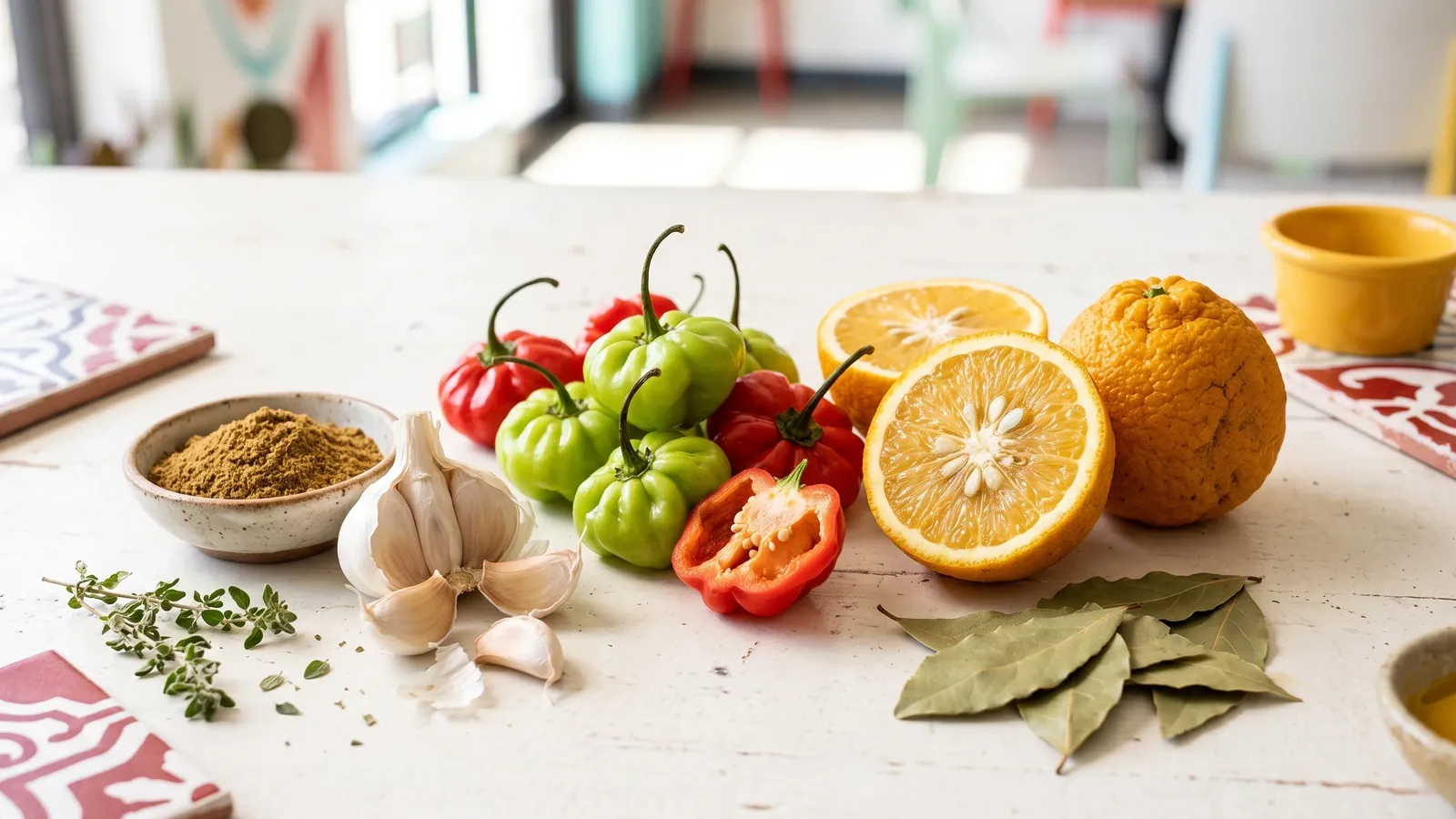
Garlic is the spine. It goes in at the start, cooked soft in the sofrito, and it comes back at the end as mojo — raw garlic mashed with salt, cut with sour orange, sometimes finished with hot oil poured straight over it. A kitchen that goes light on garlic is not making Cuban food. For a pork shoulder, a full head is a normal starting point, not a flourish. Mash the cloves with coarse salt instead of mincing them dry; the salt crystals tear the garlic open and pull out more of what you want.
Sour orange
Naranja agria, Citrus × aurantium, the bitter or Seville orange. It is a natural hybrid of pomelo and mandarin, carried west out of Asia by Arab traders, planted across the Mediterranean, and brought to the Caribbean by the Spanish. The juice is sour with a bitter edge and a heavier perfume than lime. It is the acid that makes a Cuban marinade taste Cuban.
Sour orange does two jobs at once. It cuts the fat on roast pork so the plate does not sit heavy, and its acid loosens the meat before it ever meets heat. If your market does not carry it, two parts regular orange juice to one part lime juice gets you close.
Cumin
Comino is the spice most people cannot name when they taste it. It is earthy and warm, and warm is where the confusion starts, because a warm spice is not a hot one. Cumin entered Spanish cooking through the Arab kitchens of al-Andalus and crossed the Atlantic in the Spanish pantry. It sits under the beans and under the marinade, holding everything down.
Oregano and bay leaf
Dried oregano, not fresh, and it goes in early. Worth knowing: the plant many Caribbean gardens call Cuban oregano, Plectranthus amboinicus, is not an oregano at all. It belongs to the mint family and tastes far stronger and more medicinal. The oregano in a Cuban marinade is usually the ordinary dried Mediterranean kind.
Bay leaf goes in whole. One or two leaves in the bean pot, in early, out before serving. You will never taste bay leaf as itself. You notice it the other way around — the pot tastes thinner without it.
Sofrito
Onion, green pepper and garlic, cooked slowly in oil or lard until they slump and sweeten. Low heat, no browning, no rush. Almost everything else is built on top of it. When a plate of Cuban beans tastes flat, the sofrito was hurried.
The pepper that looks like a habanero and is not one
The ají cachucha is the best argument against the word bland. It is small and squat, lobed and pleated like a little bonnet, and it ripens from green through yellow and orange to red. Set one beside a habanero and most people cannot tell them apart. They are the same species: Capsicum chinense.
The difference is capsaicin, and the cachucha has almost none. A habanero runs somewhere between 100,000 and 350,000 Scoville units. A cachucha usually measures at the very bottom of the scale, near a bell pepper. An occasional pod carries a trace of warmth, but that is the exception, not the plan. Pungency in peppers turns on a single genetic switch, and in these varieties the switch is off. What survives is everything else — the floral, fruity, faintly smoky aroma that makes a habanero smell so good right before it hurts you.
That is the whole trick. Cuban cooks kept the smell of the hot pepper and left the burn behind. The same pepper is also called ajicito, and closely related non-pungent varieties go by ají dulce elsewhere in the Caribbean.
If you walked in expecting Mexican heat
Fair expectation, different country. Chili peppers are American plants; nobody in Europe, Africa or Asia had tasted one before 1492. Mexico built an entire architecture on them — dozens of fresh and dried chilies, each with a specific job, heat used as structure. Cuban cooking came up another line: Spanish home cooking out of Andalusia and the Canary Islands, reworked with African technique and whatever grew on the island. Of the peppers within reach, the one it held on to was the aromatic one.
So do not go hunting for the burn. Go hunting for the finish. On roast pork, the thing to notice is the sour orange arriving after the fat, clearing your mouth so the next bite lands like the first. In black beans it is the garlic sitting at the back, and the small hit of vinegar or oil stirred in at the end.
Black pepper is in the kitchen and it gets used, but modestly. Its bite comes from piperine, a different molecule from capsaicin, and its job is to sharpen, not to dominate.
If you want heat, add it. Most Cuban tables do not set out a hot sauce, because the condiment in this tradition is mojo. Nobody will be offended if you bring the burn yourself. It is just not what the plate was built around.
Chef’s notes
- Judge a Cuban plate by its acid and its salt, not by its heat. If a bite tastes flat, nine times out of ten it wants one of those two, not chili.
- Cuban cooking does not lean on chili at all, so a low tolerance for heat is not a problem, children included. If you are unsure about a specific dish, ask before you order.
- No sour orange at your market: two parts regular orange juice to one part lime juice, mixed fresh.
- Mash garlic with coarse salt instead of mincing it dry. The salt does the abrasive work and you get more out of every clove.
- Wake cumin up with a short toast in a dry pan. Thirty seconds, until you smell it, then off the heat. Ground cumin that has sat in a cabinet for two years is doing nothing for you.
- Marinate pork with garlic, sour orange, oregano, cumin and salt. Four hours works. Overnight is better.
- Bay leaf goes in whole and comes out whole. It should never reach the plate.
- Do not add chili to a Cuban dish to fix it. You will cover the garlic, and the garlic is the part you came for.
What to order first
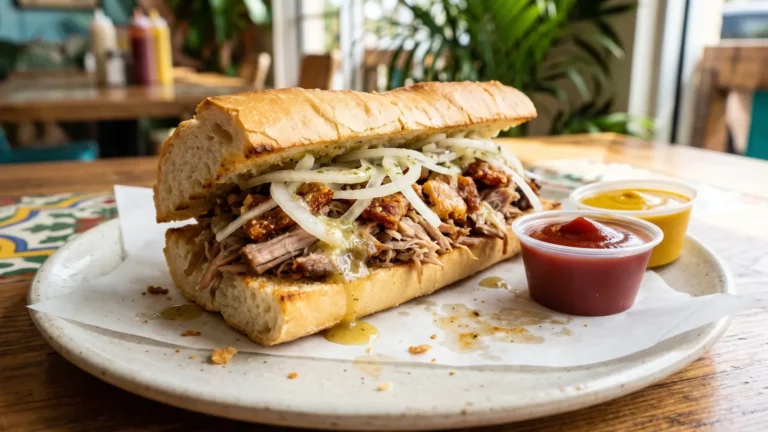
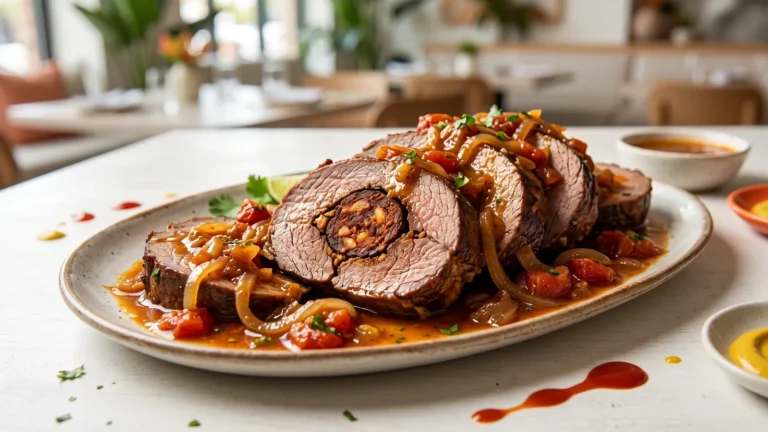
Start with the roast pork if you want the clearest example of everything above: garlic, sour orange, salt, time, and no heat anywhere in it. Put black beans next to it and you have both halves of the seasoning argument on one plate — the bright, acid, garlic-forward side, and the deep, slow, cumin-and-bay side.
The rest of it is on the menu. Read it with garlic, citrus and slow cooking in mind instead of heat, and it will make a lot more sense. We are at 5555 S 78th St in Tampa, open from 5am on weekdays, and you can order online for pickup. Come hungry, not cautious.